By Marcus T. · Updated 2026-08-13 · 9 min read
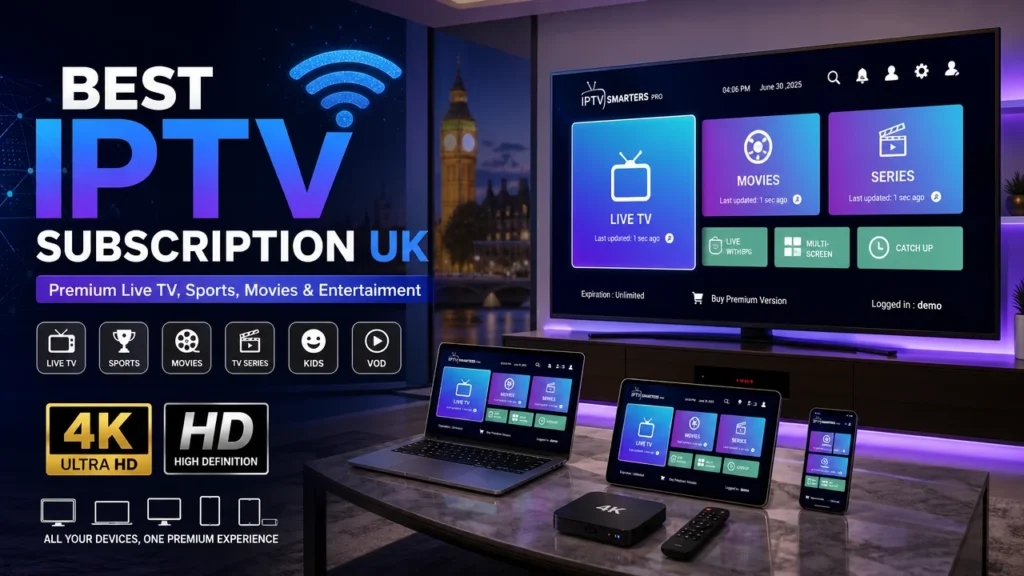
IPTV stands for Internet Protocol Television. The image above shows what a modern IPTV setup looks like in practice: a live sports broadcast running on a large screen with a full channel guide beside it. No satellite dish on the roof, no cable box under the television. The stream and the guide arrive through the same broadband connection that already powers your home Wi-Fi.
When people search "what is IPTV TV," their real question is usually: can this replace my expensive cable plan without causing headaches? The honest answer is yes — if you choose the right provider. Done badly, IPTV becomes an endless loop of buffering, dead channels, and support chats that go nowhere.
This buyer's guide explains why most IPTV purchases fail, which criteria actually separate long-term services from short-lived money grabs, and how to test any subscription before you hand over your payment details.
Why Many People Regret Their IPTV Choice
The regret pattern is almost always the same. A buyer finds an advertisement promising 25,000 channels for a few dollars a month. The first night looks impressive. Then the next weekend arrives, channels start looping the same hour of coverage, the program guide shows "No information" across half the list, and support answers only once every two days.
I have read IPTV review Reddit threads where users describe losing access completely after thirty days. Some providers simply close one reseller panel and open another under a different name. That is not a technical problem; it is a business model problem. The service was never designed to keep running for the full period you paid for.
There is also a quieter regret: buying a plan without checking device compatibility. You receive login credentials that work on your phone but look terrible on the Smart TV app you installed afterward. That is why this guide focuses on practical evaluation criteria instead of channel counts.
The Criteria That Should Drive Your Decision
How Does IPTV Work in Practice?
Put simply, how does IPTV work? A provider operates servers that carry live television streams. When you select a channel in the app, the server sends that video stream to your device over the internet. The player decodes the data and displays it on your screen. The technology itself is straightforward — the huge quality difference between providers comes down to the infrastructure behind the stream.
Seven Criteria That Actually Matter
- Server infrastructure. Ask where the servers are located and whether they cover your region. An overloaded server will freeze exactly when you need it most — during a big match.
- Bitrate and resolution. Channels advertised as 4K should not look like upscaled 720p. Test the picture quality during fast-moving scenes before committing.
- EPG accuracy. A good provider keeps its electronic program guide current. Accurate schedules matter more than a huge number of channels.
- Catch-up TV and video-on-demand. If you miss a show, a solid service should let you replay it. Check how large the VOD library is and how often it updates.
- Device support. The service should work on equipment you already own — Fire Stick, Apple TV, Android TV, or a standard Smart TV.
- Support response time. Send one question before buying. If they take 48 hours to answer a simple question, imagine what happens when your payment fails.
- Trial and payment conditions. Reliable providers offer a trial and a clear refund policy. Never buy a lifetime plan before testing the service.
✓ Benefits & Pros
Much lower monthly cost than a traditional cable bundle.
Watch on TV, phone, tablet, and computer from one subscription.
Access to international channels and regional sports packages.
On-demand movies, series, and catch-up TV in a single interface.
✗ Limitations & Cons
Video quality can drop when many users watch the same live event.
Gray-market providers can disappear without warning.
ISP throttling can ruin the experience if your network is poorly configured.
No traditional phone support; most services rely on chat only.
RECOMMENDED RESOURCE
what is iptv tv
Review up-to-date regional server maps and infrastructure.
View the what is iptv tv Platform →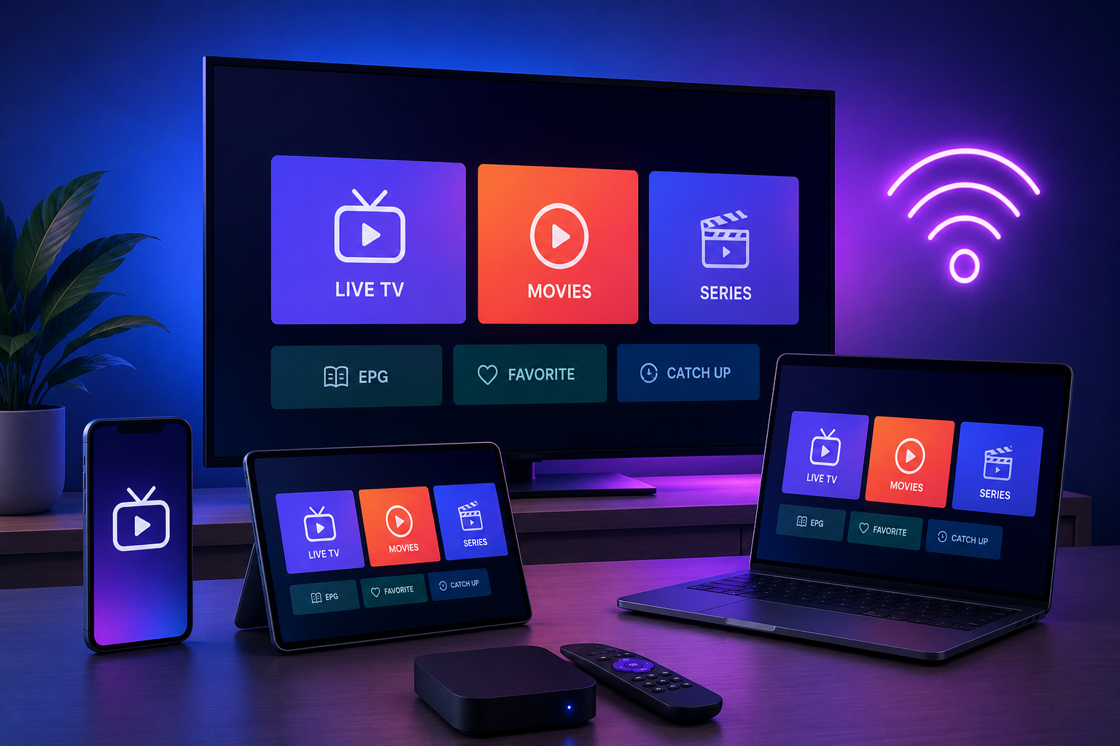
What You Need to Know About the Current Market
The interface you see above is what a well-organized IPTV service should look like from the user side: clear categories, artwork for on-demand titles, and a guide that matches the channels. Too many cheap services skip these details, which is why the market currently splits into three very different categories.
The first category is legitimate streaming platforms like YouTube TV, Hulu + Live TV, and similar services. These are legal IPTV providers in the strict sense — they own or license the rights to the content they distribute, and they carry a predictable monthly price. The tradeoff is cost, which is close to a traditional cable bill.
The second category is professional IPTV services with solid infrastructure, transparent pricing, and mature player apps. They often operate in legal gray areas, but they run a real business: responsive support, active server maintenance, and consistent channel delivery.
The third category is temporary resellers. They buy access to a panel, sell subscriptions through Telegram and fake-looking websites, and disappear within a few months. When someone compares IPTV vs cable TV and ends up in this third category, they usually come back to cable — and they tell everyone that IPTV is a scam.
Questions to Ask Before Buying
- Can I get a 24–48 hour trial and test it during evening peak hours?
- Where are your servers located, and do you have capacity in my country?
- What happens when a channel goes offline for days — is there a compensation process?
- Do you provide an EPG link that works in my region?
- How many devices can I use with one subscription?
- Is there a money-back guarantee, even a partial one?
- Is this an official subscription, or are you reselling access from a third party?
Warning Signs to Spot
Spotting a bad provider is easier than finding a good one. If you see any of the following signals, move on:
- No trial at all. Legitimate services know that their product can win you over. A refusal to offer a trial usually means the quality collapses under real use.
- Requests for crypto or gift-card payments. You lose every consumer protection and every way to charge back.
- "Lifetime" deals at very low prices. Lifetime lasts only as long as the server stays online.
- Telegram-only support. A channel list on Telegram is not a business. If there is no website, no terms, and no refund policy, there is no accountability.
- Channel counts of 25,000+. Quantity is used to hide missing local channels and dead streams. What matters is whether the channels you actually watch are stable.
- Pressure tactics. Countdown timers, "last 5 spots," and fake discounts are red flags.
Treat IPTV review Reddit threads with nuance too. They can be useful because real users report real outages, but new accounts promoting a single service are often operated by resellers. Cross-reference opinions across several platforms before trusting them.
Comparison Table of Available Options
The table above compares the three realistic categories buyers encounter. Most newcomers end up in the third row because it looks like the best deal. The smart move is to start in the second row on a monthly basis and let the service prove itself over time.
Access zero-contract options and instant delivery specs.
See what is iptv tv Pricing →Recommendations by Budget and Needs
If you are on a tight budget, the best approach is simple: buy one month, not one year. A single month gives you enough time to watch live sports, test the EPG, and judge whether the service remains stable after the first week. A year-long contract only makes sense after several months of consistent performance.
If you are a sports fan, prioritize server capacity and anti-buffering performance. Ask the provider what happens on big fight nights. The difference between a packed server and a broken stream is what separates the professional IPTV services from the resellers.
If you need a whole-family setup, check multi-screen limits and device compatibility before anything else. A service that works on your Fire Stick but fails on your parents' older Smart TV will become a daily headache. The best IPTV service for FireStick, for instance, should work directly with TiviMate and support multiple profiles.
How to Maximize Your Investment
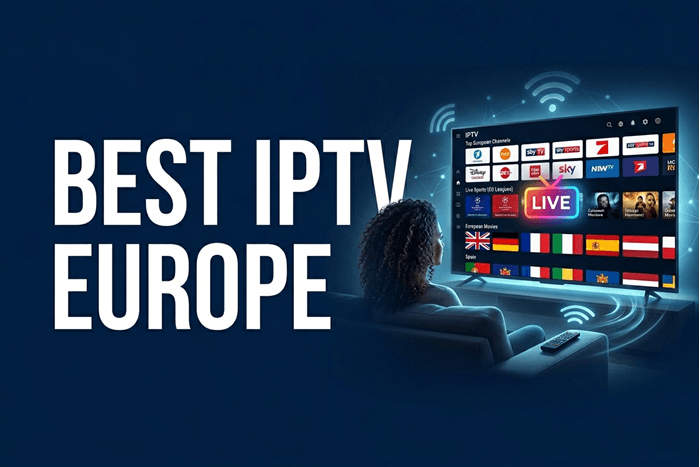
Take a look at the IPTV channels list in the image above. A tidy list, accurate thumbnails, and an ordered EPG are not cosmetic features — they make the service practical for daily use. Here is how to get the most out of whatever subscription you choose:
- Connect your streaming device by Ethernet. Wired connections eliminate Wi-Fi interference and deliver much more stable live streams.
- Use a premium player app. TiviMate and IPTV Smarters handle buffers, EPG updates, and channel groups far better than basic default apps.
- Configure the EPG manually. Some services need the EPG link added in the player settings. Spend ten minutes on this and navigation improves dramatically.
- Test every important category during the trial. Sports, news, kids, movies, and local channels all behave differently under load.
- Use a VPN if your ISP throttles streaming. Certain internet providers limit heavy video traffic. A fast VPN can keep your sports stream smooth, but verify that the IPTV service allows VPN connections.
- Set a renewal reminder. Never let a subscription auto-renew without re-checking the service quality for that month.
The decision to buy an IPTV subscription should be treated like any streaming purchase: evaluate the product, test the waters, and keep your risk low. If a service is worth your money, it will earn a second month. If it is not, a monthly plan limits the damage to a small, forgettable loss.
Featured Streaming Selection:
Find Out More About what is iptv tv →Affiliate Disclosure: Clicking this secure link verified by our network supports our team through standard partnership terms at zero extra cost to your invoice.
Frequently Asked Questions
This article contains affiliate links. Our editorial analysis remains independent.